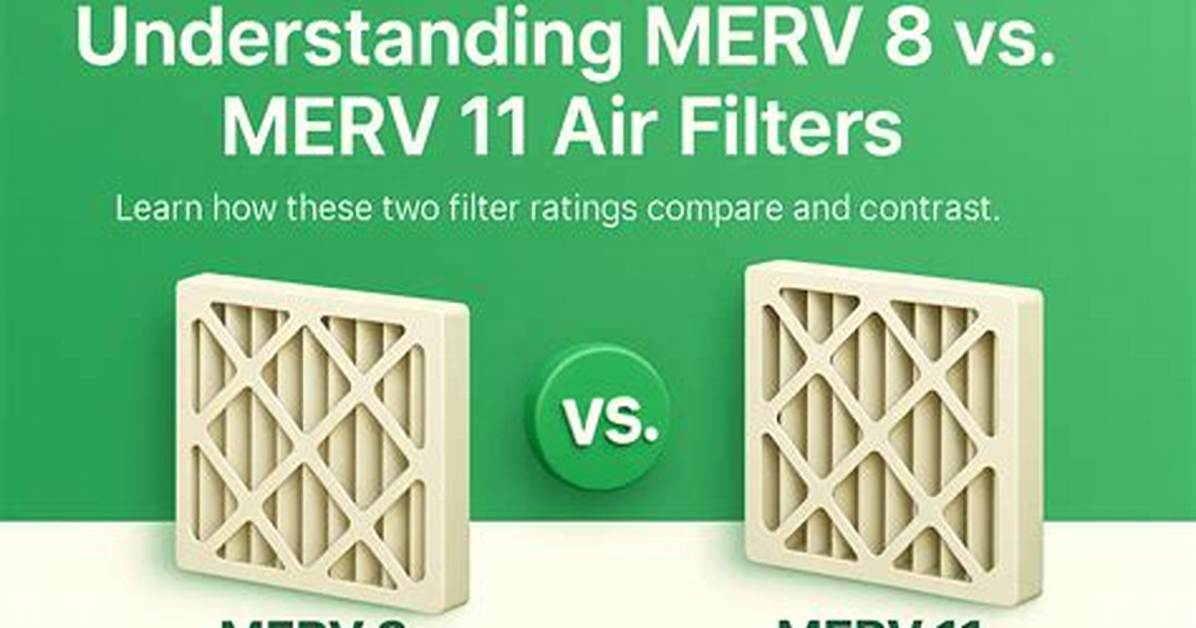
As homeowners and HVAC enthusiasts, we understand the importance of clean and healthy air in our living spaces. One way to ensure this is by using air filters in our HVAC systems. However, with so many options available, it can be overwhelming to choose the right filter for our needs. Two commonly used filters are Merv 8 and Merv 13, which are rated based on their efficiency in filtering airborne particles. In this article, we will explore the key differences between Merv 8 and Merv 13 filters to help you make an informed decision.
What is a Merv 8 filter?
A Merv 8 filter is a mid-range filter that is widely used in residential and commercial HVAC systems. The Merv rating stands for Minimum Efficiency Reporting Value, which measures the filter's ability to capture and remove particles of varying sizes from the air. A Merv 8 filter is designed to capture particles as small as 3 microns, including dust, pollen, mold spores, pet dander, and other common indoor allergens.
Merv 8 filters are commonly used in homes, offices, and other spaces where moderate air quality is desired. They provide a good balance between filtration efficiency and airflow, allowing for adequate air circulation while still removing a significant amount of particles from the air. Merv 8 filters are also relatively affordable and readily available, making them a popular choice among homeowners.
Benefits of using a Merv 8 filter include:
- Effective removal of common allergens and particles
- Improved indoor air quality
- Reasonable cost
- Wide availability
What is a Merv 13 filter?
A Merv 13 filter is a higher efficiency filter that is often used in environments where superior air quality is required, such as hospitals, laboratories, and commercial buildings. It has a higher particle filtration capacity compared to a Merv 8 filter, capturing particles as small as 0.3 microns.
Merv 13 filters are designed to remove a wide range of particles, including bacteria, viruses, smoke, and other fine particulates. They are highly effective in improving indoor air quality and creating a cleaner and healthier environment. However, it's important to note that the higher filtration efficiency of Merv 13 filters may also result in increased resistance to airflow, which can impact the performance of the HVAC system.
Advantages of using a Merv 13 filter over a Merv 8 filter include:
- Superior filtration of fine particles
- Enhanced indoor air quality
- Effective removal of bacteria and viruses
- Reduced exposure to harmful pollutants

