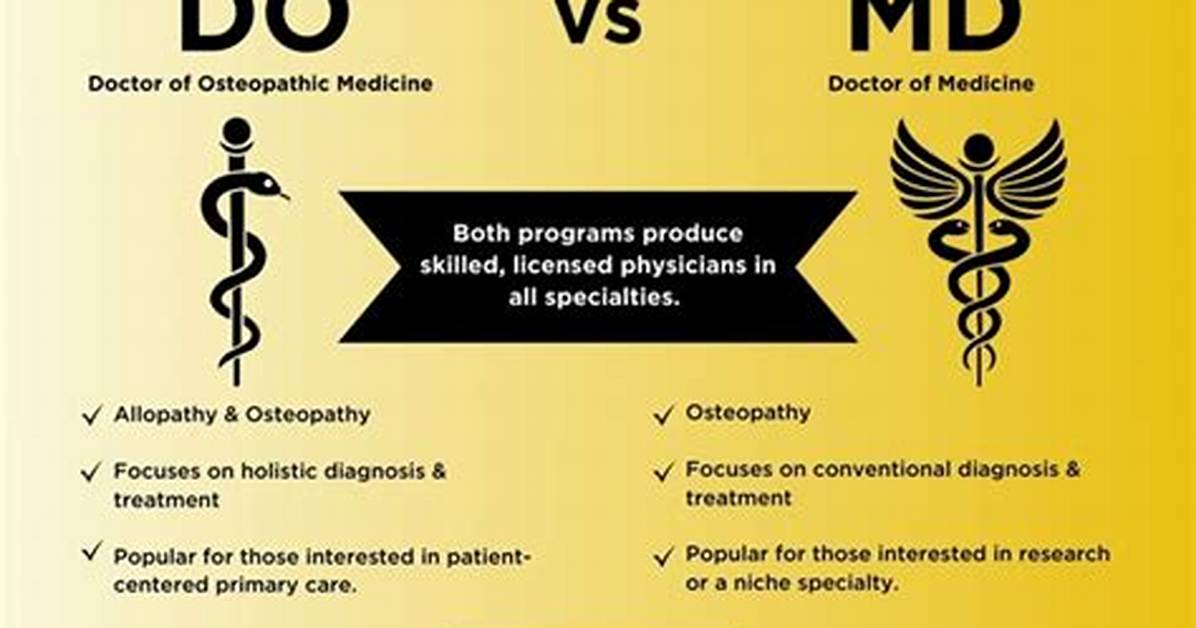
MD vs DO is a common comparison that many individuals seeking medical care may come across. While both are licensed physicians, there are some differences in their training, philosophy, and approach to patient care. Understanding these differences can help patients make informed decisions about their healthcare providers.
Medical Doctor (MD) and Doctor of Osteopathic Medicine (DO) are the two types of physicians in the United States. Both types of physicians complete a similar curriculum, including four years of medical school followed by residency training in their chosen specialty. However, there are some distinctions between the two that are important to note.
In this article, we will explore the differences between MD and DO physicians, their educational backgrounds, treatment approaches, and how to choose the right physician for your healthcare needs.
What is the Difference Between MD and DO?
MD: What Does it Stand For?
MD stands for Medical Doctor. These physicians are trained in allopathic medicine, which is the traditional form of medicine that focuses on the diagnosis and treatment of medical conditions using medications, surgery, and other interventions.
DO: What Does it Stand For?
DO stands for Doctor of Osteopathic Medicine. These physicians are trained in osteopathic medicine, which takes a holistic approach to patient care, focusing on the body's ability to heal itself. Osteopathic physicians are trained to consider the mind, body, and spirit when diagnosing and treating patients.
How Do MD and DO Physicians Differ in Training?
MD Training
MD physicians attend allopathic medical schools, where they receive training in the traditional approach to medicine. They learn to diagnose and treat medical conditions using the latest advancements in medical technology, pharmaceuticals, and surgical procedures.
DO Training
DO physicians attend osteopathic medical schools, where they receive training in osteopathic manipulative treatment (OMT) in addition to traditional medical training. OMT is a hands-on approach to diagnosing, treating, and preventing illness or injury, which focuses on the musculoskeletal system.

