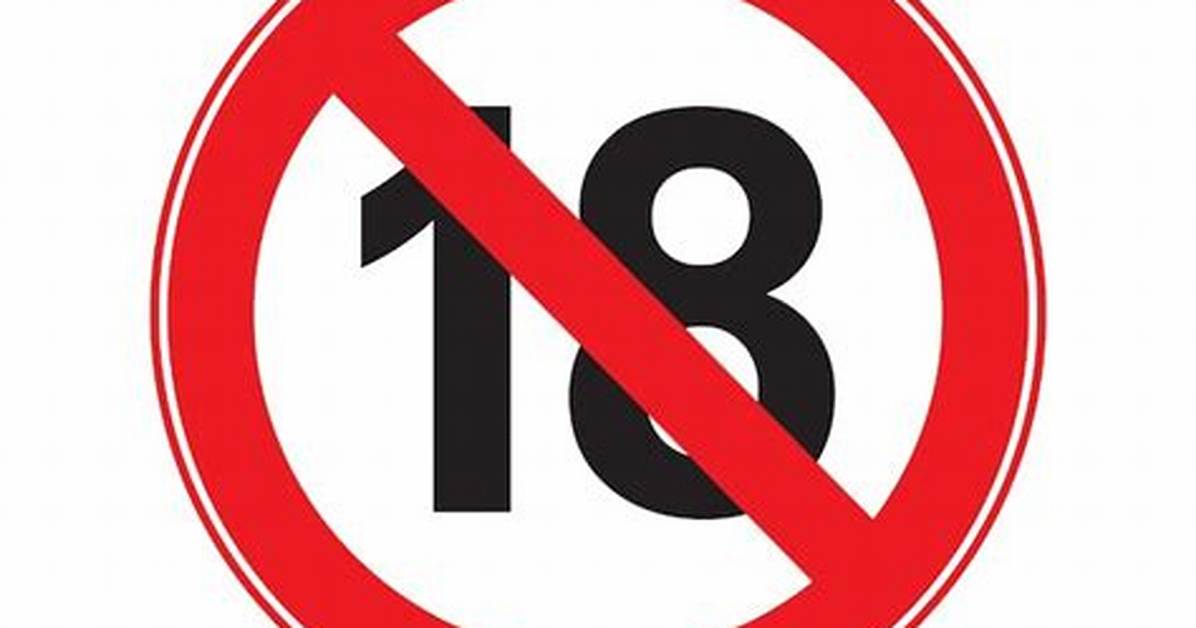
The topic of 18+ age restrictions is crucial in today's society as it encompasses various aspects of life, including entertainment, media, and legal matters. As individuals transition into adulthood, they encounter numerous situations where age restrictions play a significant role. Understanding these restrictions is essential not just for compliance but also for the safety and well-being of young adults. In this comprehensive article, we will delve into the implications of age restrictions, the reasons behind them, and how they affect various sectors, including entertainment and personal freedoms.
Age restrictions are often implemented to protect minors from content that may not be suitable for them. These restrictions can apply to films, video games, online content, and even certain social situations. As we explore this topic, we will examine the legal frameworks, societal perceptions, and the responsibilities that come with reaching the age of 18. This article aims to provide a thorough understanding of the 18+ age limit and its significance in modern society.
Furthermore, we will discuss the impact of these restrictions on young adults' lives, including their rights and the challenges they face. By the end of this article, readers will have a well-rounded perspective on why the 18+ age restriction exists and how it shapes the experiences of young adults today.
What is the 18+ Restriction?
The 18+ restriction indicates that certain materials, activities, or situations are deemed suitable only for individuals aged 18 and above. This age limit is commonly applied to various forms of media, including:
- Films and television shows with explicit content
- Video games featuring violence or sexual themes
- Alcohol and tobacco purchases
- Access to adult websites and content
Understanding this restriction is essential as it serves to protect younger individuals from exposure to potentially harmful or inappropriate material. The rationale behind the 18+ distinction often relates to maturity, psychological development, and the capacity to make informed decisions.
The Legal Framework Behind 18+ Restrictions
Age restrictions are legally enforced in many countries to ensure the protection of minors. Legal frameworks may vary, but they generally share common principles:
- Age of Majority: In most countries, 18 is recognized as the age of majority, where individuals gain full legal rights.
- Regulatory Bodies: Organizations like the Motion Picture Association (MPA) in the U.S. and the British Board of Film Classification (BBFC) in the UK oversee the rating of films and content.
- Penalties for Violation: Selling or distributing restricted content to minors can result in legal penalties for businesses and individuals.
These regulations are designed to uphold societal standards and ensure that young people are not exposed to content that could negatively impact their development.

