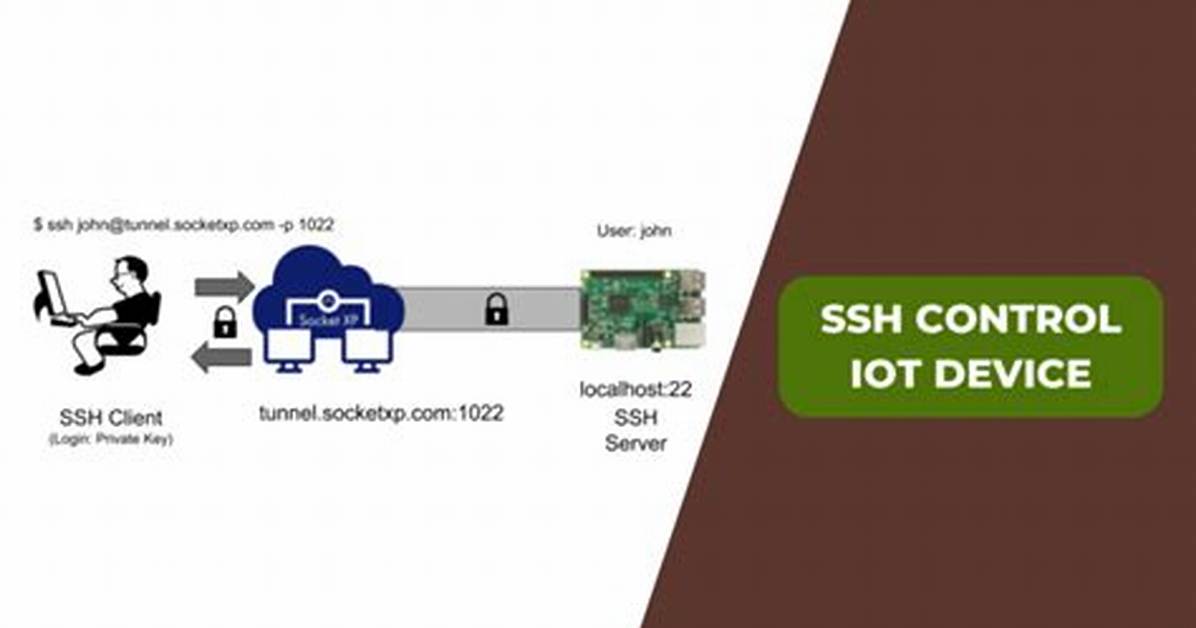
Connecting to remote IoT devices using SSH is a crucial skill for developers and IT professionals in today's interconnected world. IoT devices are becoming increasingly prevalent, and securing their communication channels is essential to protect sensitive data and maintain system integrity.
With the rapid expansion of the Internet of Things (IoT), managing and securing remote devices has become a top priority for organizations. SSH (Secure Shell) provides a secure protocol for remote access, ensuring encrypted communication between devices. This tutorial will guide you through the process of setting up and using SSH for remote IoT devices.
Whether you're a beginner or an experienced professional, this step-by-step guide will equip you with the knowledge and tools necessary to establish secure connections to your IoT devices. Let's dive in and explore the world of SSH remote IoT device management.
Introduction to SSH
SSH, or Secure Shell, is a network protocol that facilitates secure communication between devices over an unsecured network. It is widely used for remote access to servers, routers, and IoT devices. By encrypting data transmission, SSH ensures confidentiality, integrity, and authentication in communication.
SSH operates on port 22 by default and provides a secure alternative to less secure protocols such as Telnet and FTP. It is supported by most operating systems, including Linux, macOS, and Windows, making it versatile for various applications.
In the context of IoT devices, SSH plays a critical role in managing and maintaining remote systems securely. Whether you're configuring sensors, monitoring environmental conditions, or updating firmware, SSH ensures that your interactions with IoT devices are protected from unauthorized access and data breaches.
Why Use SSH for IoT Devices?
Using SSH for IoT devices offers several advantages over other communication protocols. Below are some key reasons why SSH is the preferred choice for securing IoT connections:
- Encryption: SSH encrypts all data transmitted between devices, preventing eavesdropping and data tampering.
- Authentication: SSH supports multiple authentication methods, including password-based and public-key authentication, ensuring only authorized users can access the device.
- Compatibility: SSH is compatible with a wide range of IoT platforms and operating systems, making it easy to integrate into existing systems.
- Reliability: SSH connections are reliable and robust, even in environments with unstable network conditions.
These features make SSH an ideal solution for securing IoT devices, especially when they are deployed in remote or untrusted locations.

