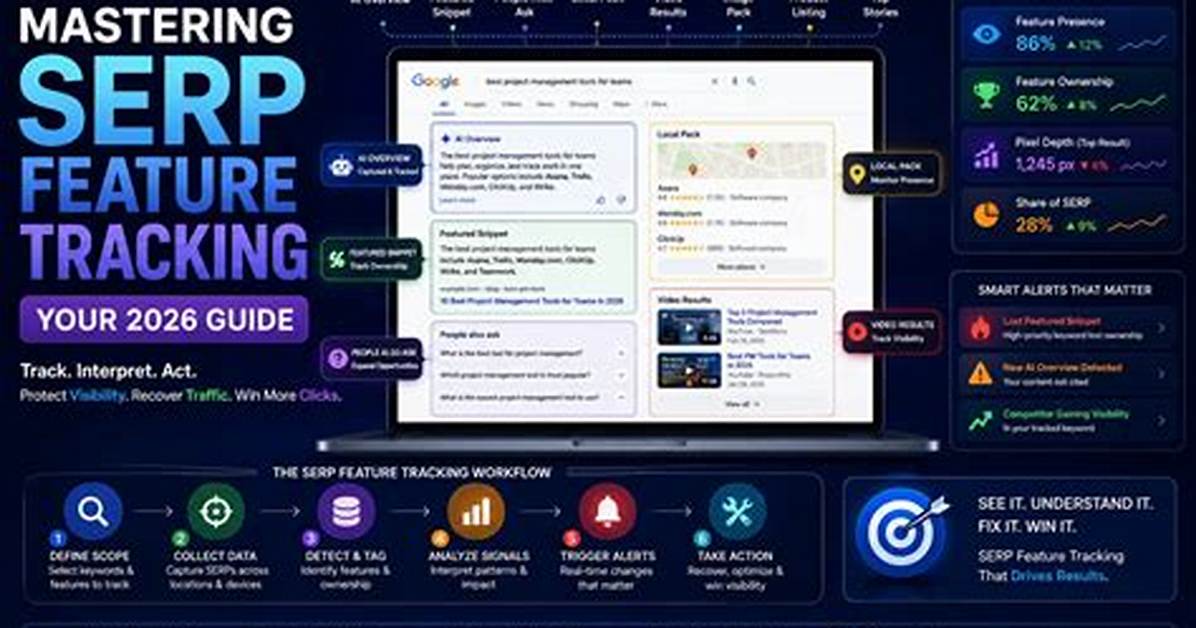
In the digital age, businesses crave visibility, and search engines are the gatekeepers of that visibility. SERP tracking is an essential tool for anyone looking to enhance their online presence. By monitoring the search engine results pages (SERPs), businesses can gauge their rankings, analyze competition, and adjust their strategies accordingly. This practice not only helps in understanding how well a website is performing but also provides insights into what works and what doesn’t in the ever-changing landscape of search engine algorithms.
As online competition intensifies, SERP tracking becomes an indispensable part of a comprehensive digital marketing strategy. The ability to track your keyword rankings and understand their fluctuations can provide valuable data that informs your SEO efforts. With the right tracking tools, businesses can identify which keywords drive traffic, how competitors are ranking, and where there are opportunities for improvement. Ultimately, effective SERP tracking empowers companies to stay ahead of the curve and make data-driven decisions that lead to greater online success.
In this article, we will explore the intricacies of SERP tracking, from its significance to the best practices for implementation. We will address common questions about the process, discuss various SERP tracking tools available, and guide you on how to leverage this information for achieving better search engine rankings. Whether you're a seasoned marketer or just starting in the digital world, this comprehensive guide will illuminate the path to mastering SERP tracking.
What is SERP Tracking and Why is it Important?
SERP tracking refers to the process of monitoring your website's rankings for specific keywords on search engine results pages. It plays a crucial role in understanding your online visibility and overall SEO performance. The importance of SERP tracking is multifaceted:
- Performance Measurement: SERP tracking allows businesses to measure how well their website performs for targeted keywords over time.
- Competitive Analysis: By tracking competitors' rankings, businesses can gain insights into their strategies and identify opportunities for improvement.
- Keyword Optimization: SERP tracking helps in refining and optimizing keyword strategies, ensuring that businesses target the most effective phrases.
- ROI Assessment: Understanding ranking changes can help businesses assess the return on investment of their SEO efforts.
How Does SERP Tracking Work?
SERP tracking typically involves using specialized tools that automate the process of monitoring rankings. These tools can provide insights into various aspects of keyword rankings, including:
- Daily Updates: Many SERP tracking tools offer daily updates on keyword positions, allowing businesses to stay informed about any changes.
- Historical Data: Tracking tools often store historical ranking data, which can be useful for analyzing trends and performance over time.
- Competitor Tracking: Some tools also support competitor analysis, enabling businesses to see how they stack up against their rivals.

